
Stories & Craft
The History Behind Olive Wood: From Ancient Tradition to Modern Kitchen
By Zeeva Usman · 10/19/2023
The History Behind Olive Wood: From Ancient Tradition to Modern Kitchen
From the sun-drenched hills of the Mediterranean to the heart of today’s kitchens, olive wood has long held a special place in history and home life. More than just a beautiful material, olive wood carries with it centuries of tradition, resilience, and spiritual symbolism—making it one of the most meaningful and sustainable materials in the world.
A Tree with Ancient Roots
The olive tree is one of the oldest cultivated trees in the world, with roots tracing back thousands of years. In ancient Greece, olive branches were symbols of peace and victory. In biblical history, the olive tree represents peace, endurance, and God’s provision—Noah’s dove famously returned with an olive leaf, signaling the end of the flood.
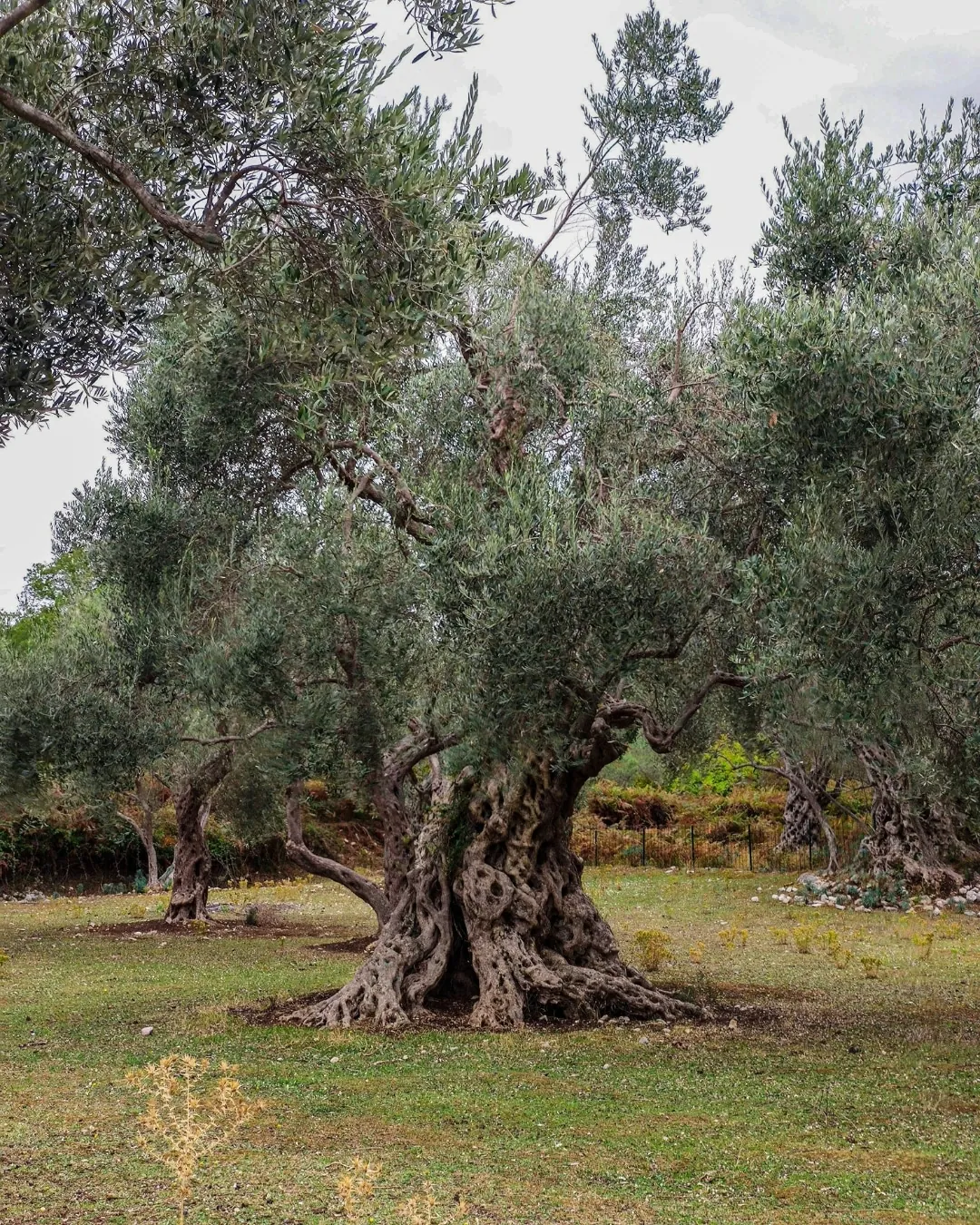
Olive trees have witnessed generations pass, wars begin and end, and cultures evolve. Some trees still standing today are over a thousand years old, continuing to produce fruit and offer their wood as a testament to their durability and sacred place in human history.
Ancient Craftsmanship
Unlike other types of wood that are harvested by cutting down living trees, olive wood is typically sourced from pruned branches or trees that no longer bear fruit. This practice is not only sustainable but also respectful of the tree’s natural life cycle—honoring the balance between utility and reverence.
For centuries, artisans have carved olive wood into religious symbols, prayer beads, bowls, and utensils. In places like Bethlehem and regions throughout the Holy Land, olive wood carving remains a ancient tradition passed down through generations—often used to support local communities and preserve cultural heritage.
The Beauty of Olive Wood in the Modern Kitchen
Today, olive wood has found its way into homes worldwide—loved for its striking grain patterns, smooth finish, and antibacterial properties. Whether in the form of spoons, cutting boards, or serving bowls, each piece carries a distinct fingerprint of the tree it came from.
Modern consumers are increasingly drawn to materials that blend form and function—especially those that come with a story. Olive wood checks every box: it’s eco-friendly, long-lasting, and carries a heritage that elevates everyday use into something meaningful.
More Than a Material—A Story Worth Sharing
When we choose olive wood kitchenware, we’re not just selecting a tool—we’re inviting history, culture, and tradition into our homes. We’re supporting sustainable practices, often empowering skilled artisans who rely on this ancient craft to build a better future for their families.
In a world of mass production, olive wood stands as a beautiful reminder of what it means to honor tradition, value craftsmanship, and celebrate nature’s gifts—one hand-carved spoon at a time.